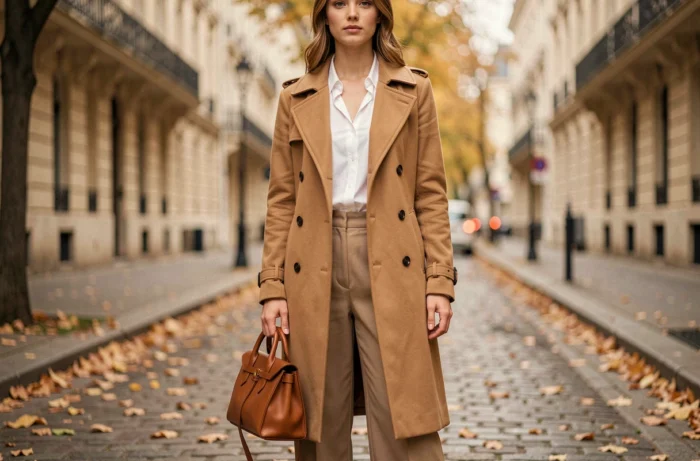
What fashion and accessory trends are truly shaping clothing choices this fall 2026? Between European regulations reshaping brand offerings and evolving silhouettes on the runways, the factors to consider go far beyond style. This article measures the concrete impact of these changes on looks and wallets.
European Regulation and Fashion: What Changes for Unsold Accessories and Clothing
No competitor is addressing this topic, yet it is the most structuring fact of the season. Since July 19, 2026, major fashion companies operating within the European Union can no longer destroy their unsold textiles, shoes, and accessories. The European regulation on the eco-design of sustainable products (ESPR, regulation (EU) 2024/1781) mandates donation, refurbishment, resale in clearance circuits, or recycling.
This obligation applies to companies with more than 250 employees or exceeding 50 million euros in revenue. Medium-sized enterprises will be affected starting July 2030. From February 2027, large companies will have to publish the annual volumes of destroyed unsold items, adding an unprecedented layer of transparency.
A direct consequence for consumers: clearance channels and second-hand platforms will receive more quality pieces. Monitoring these channels becomes a relevant strategy for acquiring trendy accessories at reduced prices, including on specialized platforms like fashionstores.be that feature fashion brands in Belgium and beyond.
Spring-Summer 2026 Accessory Trends: Comparative Table of Key Categories
The runways and street style converge on a few accessory categories that dominate the season. The table below summarizes data from fashion shows and available trend analyses.
| Category | Dominant Materials | Key Colors | Main Use |
|---|---|---|---|
| Bags | Raffia, wicker, braided cotton | Natural tones, butter yellow | Everyday, vacation |
| Hats and Caps | Straw, linen | Beige, off-white | Sun protection, bohemian style |
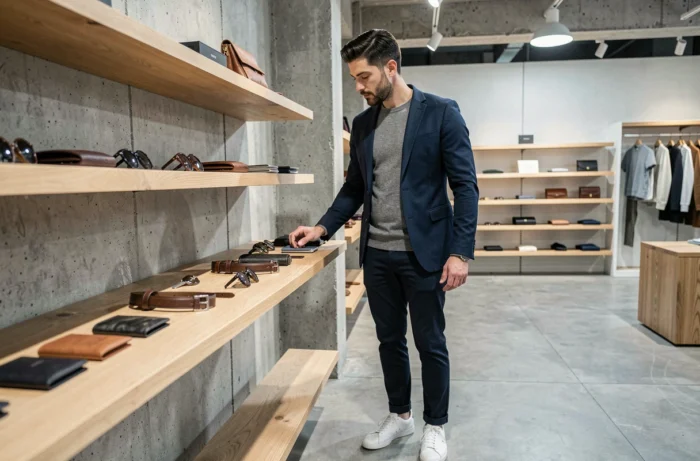
| Belts | Braided leather, fabric | Camel, cognac | Structuring a fluid silhouette |
| Light Scarves | Silk, fine cotton | Floral prints, bright pastels | Neck, hair, bag handle |
| Statement Jewelry | Gold metal, resin, pearls | Gold, mother-of-pearl, bright colors | Enhancing a minimalist outfit |
The common thread among these categories: natural materials overwhelmingly dominate synthetic ones. Raffia, linen, straw, and braided cotton appear across every segment, from bags to hats. This shift is not merely aesthetic; it also responds to regulatory pressure on eco-design.
Women’s Fashion Silhouettes: The Gaps Between Runways and Street Style
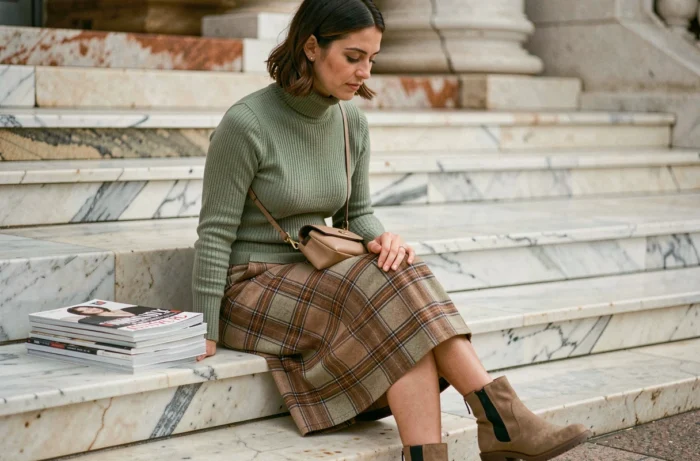
On the runways, midi dresses with bold prints and fluid-cut pantsuits have marked the season. In contrast, street style shows a clear discrepancy: the most adopted pieces remain the barrel jeans (wide cut and slightly tapered at the bottom) and oversized sweaters, worn well beyond spring.
The printed midi dress remains the most versatile piece of the season, suitable for both the office and a dinner. Varied textures (crinkled linen, textured cotton) are gradually replacing smooth synthetics, even in this segment.
Colors to Remember for a Cohesive Look
Butter yellow emerges as the signature shade of spring-summer 2026. Bright pastel tones (lavender, peach, sage green) complement the palette. Beige and off-white serve as neutral bases to anchor these colors without overwhelming the outfit.
- Butter yellow works best as a strong standalone piece (short jacket, bag, dress) rather than a total look, which quickly becomes visually overwhelming
- Bright pastels are worn on the upper body to brighten the face, paired with a neutral bottom (beige pants, light jeans)
- Off-white as an accessory (scarf, hat, canvas bag) unifies a multicolored outfit without adding contrast
Men’s Fashion Spring-Summer 2026: The Pieces Creating the Gap
Men’s trends remain less documented in general guides, but a few pieces stand out clearly. The structured swimsuit (mid-thigh cut, quick-drying fabric) is gradually replacing the long boardshorts. Open-collared linen shirts are becoming the central piece of the men’s summer wardrobe.
The most underestimated men’s accessory remains the braided belt, which structures a relaxed silhouette without rigidity. Paired with beige pants and a linen shirt, it creates a vacation look that also works in a semi-formal context.
Adopting Trends Without Overhauling Your Wardrobe
The most effective approach is to identify two or three seasonal accessories and integrate them into existing basics. A light floral-printed scarf worn over a plain t-shirt transforms a neutral outfit. A raffia bag replaces a dark leather bag to instantly lighten a spring look.
- Favor a single statement accessory per outfit to avoid visual overload
- Choose natural materials (linen, cotton, raffia) that combine well without texture clashes
- Invest in multifunctional pieces: the scarf can be worn around the neck, in the hair, or tied on a bag
Brand Transparency and Digital Product Passport: What’s Coming
Beyond the ban on destroying unsold items, another regulatory mechanism will change how fashion and accessories are purchased. The digital product passport will require brands to document the complete traceability of each item: origin of materials, manufacturing conditions, environmental footprint.
This provision, outlined in the same ESPR regulation, initially concerns textiles and footwear. For consumers, this means direct access to verifiable data before purchase. Vague environmental claims (“eco-friendly,” “green”) will be more strictly regulated, reducing greenwashing on labels.
The combination of these two mechanisms (destruction ban, digital passport) pushes the market towards more limited collections, better-traced materials, and more robust resale channels. For those looking for a trendy look this season, monitoring clearance and second-hand channels becomes as strategic as following the runways.